
SUMMARY
What is Solar PV Wire Management?
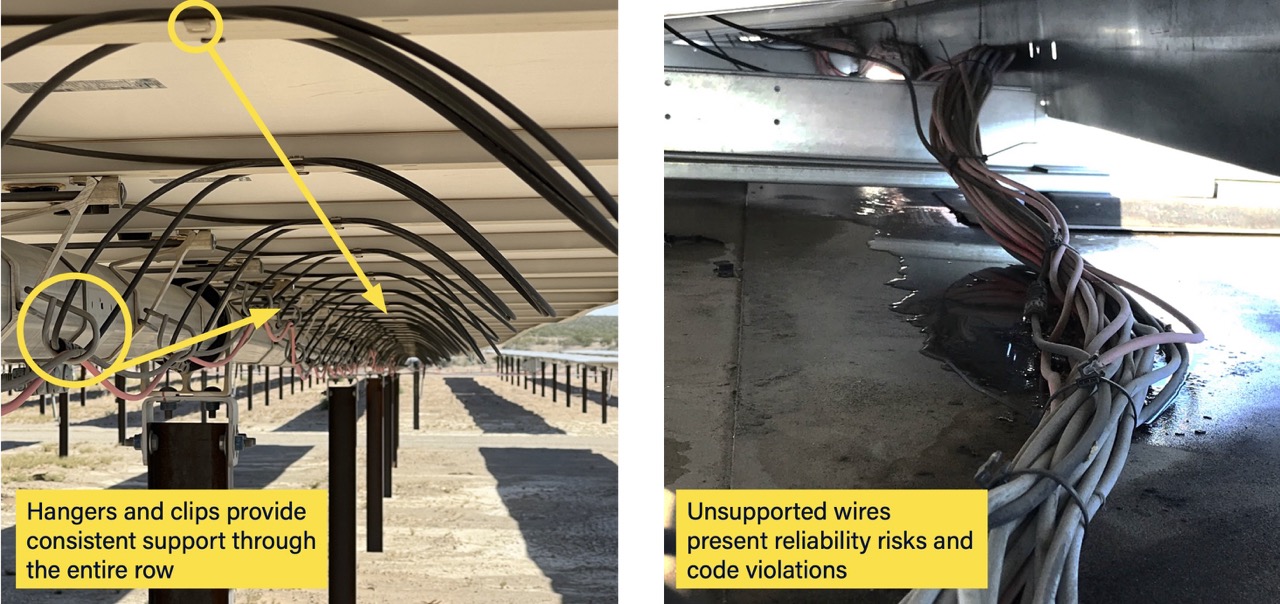
The wires and cables in PV systems conduct electricity from PV modules to inverters and beyond, and they are integral to the proper function of any array. Wire management is the strategic routing, organization, and protection of every wire and cable within the PV system.
Well-managed wires are neatly organized and well-protected. However, poor wire management can accelerate component degradation and trigger energy losses. In rare cases, poor wire management even causes failures and safety events such as PV system fires.
Despite the importance of well-managed PV wires, issues are common: an analysis of field inspection data from nearly 1,000 PV systems totaling 5 GWs found that 80% of systems have issues related to wiring.
Inconsistent installation practices are a significant factor in wire management challenges for several reasons:
- While the National Electrical Code (NEC) addresses wire management, it is not a comprehensive guide with best practices for construction crews.
- Wire management is often left unspecified in drawings, so crews are left to determine the best approach in the field.
- Wiring is often the last major step in a PV installation: when crews are under deadline pressure, mistakes are more likely to occur.
This article outlines the key factors related to wire management in solar projects, assesses the pros and cons of different wire management equipment and product types and provides a wire management checklist for EPCs and installers.
Please note: this article is focused on wiring that connects PV modules to inverters only.
THE STATE OF PV WIRE MANAGEMENT TODAY
When installation best practices are followed, a system’s wire management approach ensures that:
- Wires are minimally exposed to adverse environmental conditions and mechanical stress.
- Wire insulation is protected from damage.
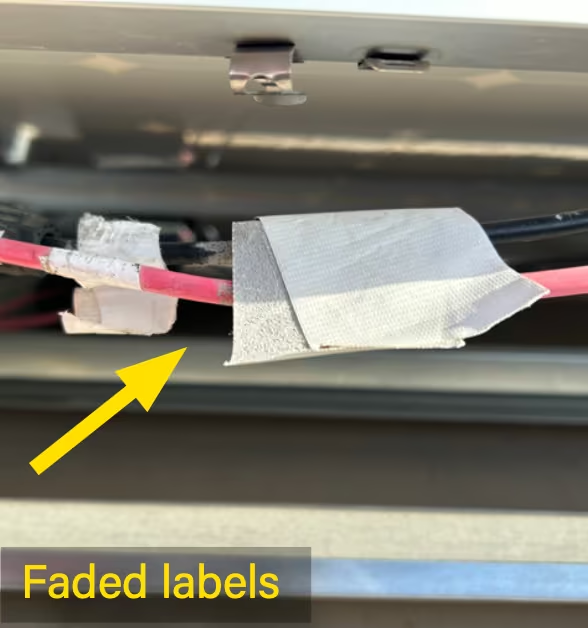
- Wires are clearly organized and correctly labeled.
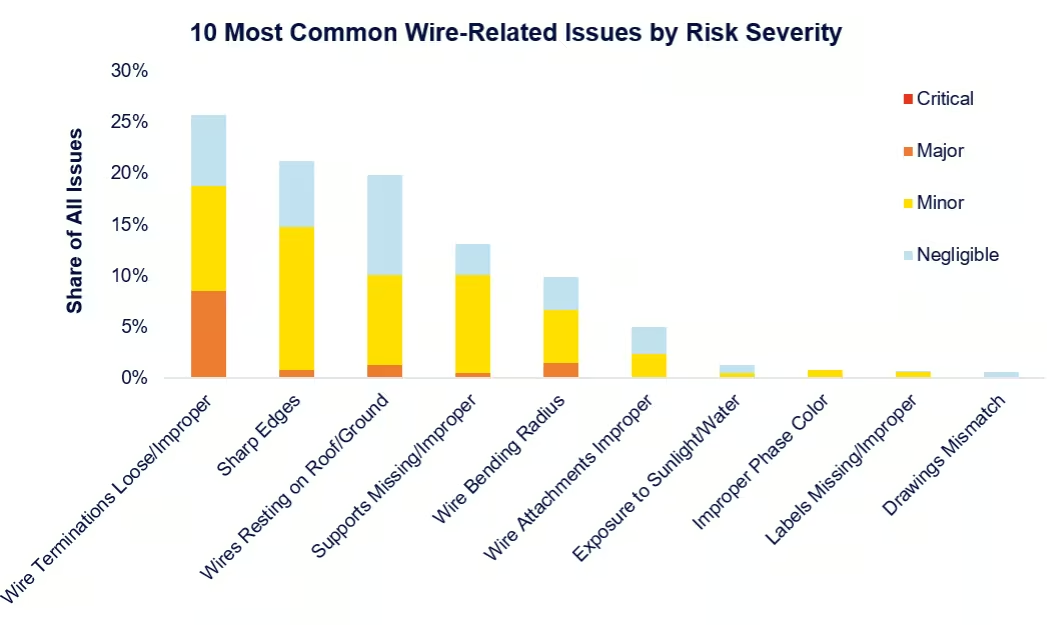
Wire management approaches and training methods are not always defined by code, project drawings, or company policies, so teams must establish their own policies: inconsistent and individualized practices are the norm. The most common wire-related issues documented during field inspections are shown in the chart below.
Short-Term Gains, Long-Term Pains
Rapid market growth and cost pressures incentivize installation crews to prioritize speed and budget above long-term service considerations.
But prioritizing speed and budget often leads to poorly-managed, poorly-installed conductors and connectors that degrade faster, operate less efficiently, and require more frequent replacements.
The net result is higher O&M costs and decreased system performance. If left unremedied, wire management failures can trigger significant safety events.
Inside the National Electrical Code (NEC)
Chapters 1-3 of the NEC cover general wiring and wire management guidelines for electrical applications. Section 690 is solar-specific. In summary, the NEC:
- Defines project design and equipment constraints for wires and cables that must be listed in engineering drawings.
- Provides requirements for conductor support spacing, bend radius, and protection.
- Only requires engineers to specify the length and types of wires in plans.
- Leaves contractors responsible for determining wire management strategy, equipment, and installation methods.
Environmental Considerations for Wire Management
Rain, Ice, Snow, and Light
Wind Loading and Seismic Movements
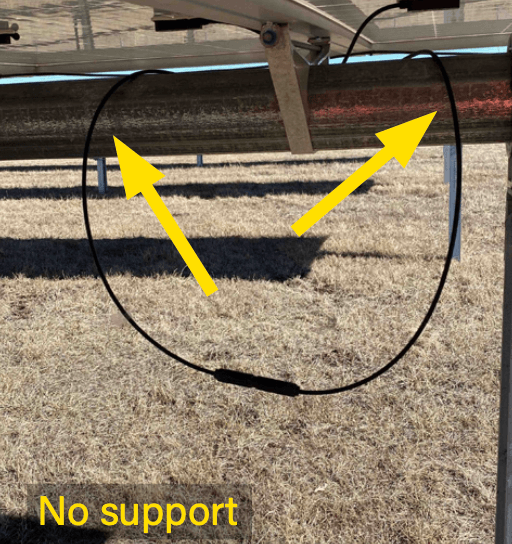
Thermal Cycling
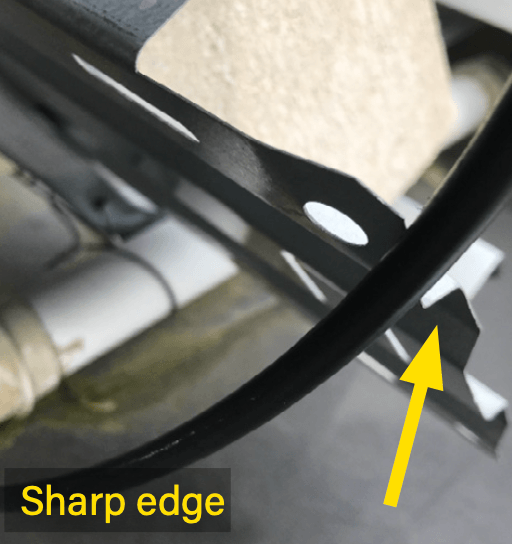
Wildlife
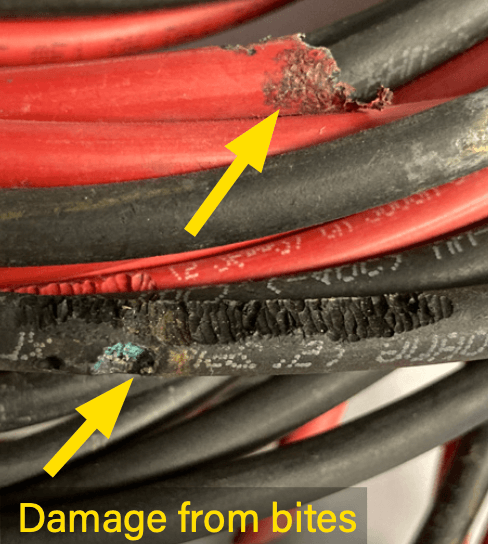
Mechanical Considerations for Wire Management
Bundling
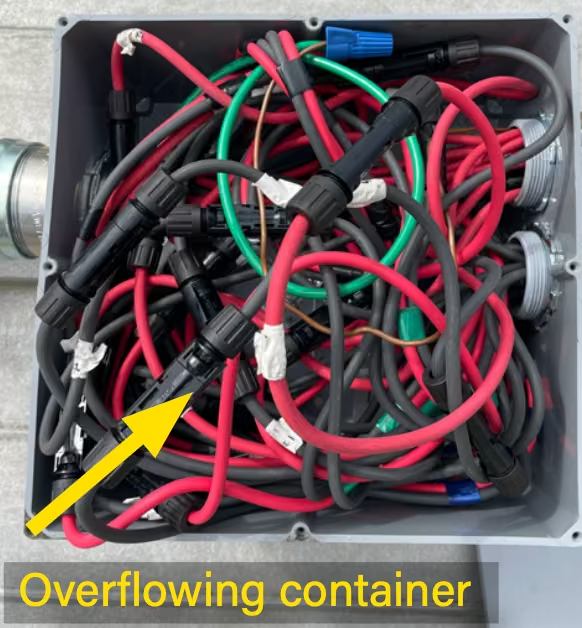
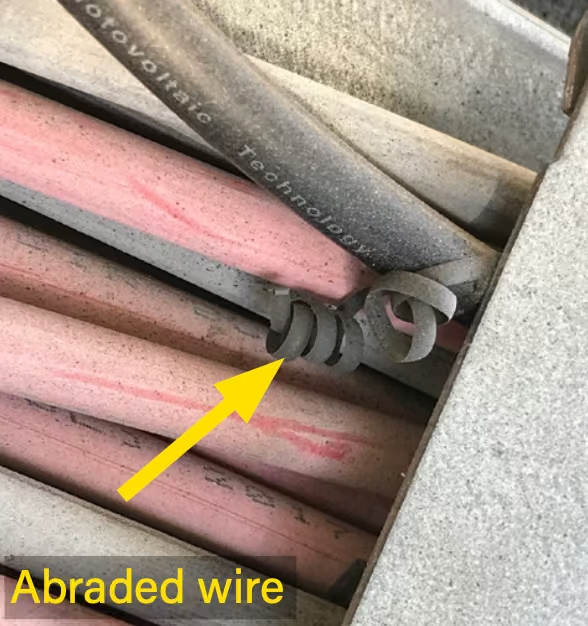
Sharp Edges
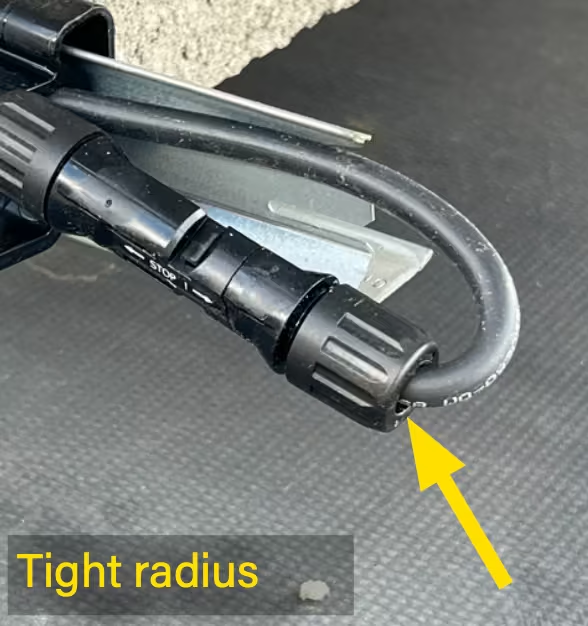
Bend Radius
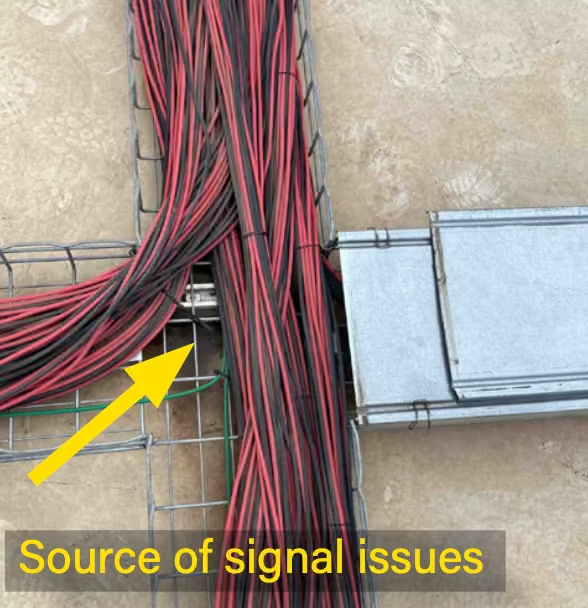
Conductor Routing
Conductor Support
Labeling
PRODUCT REVIEW
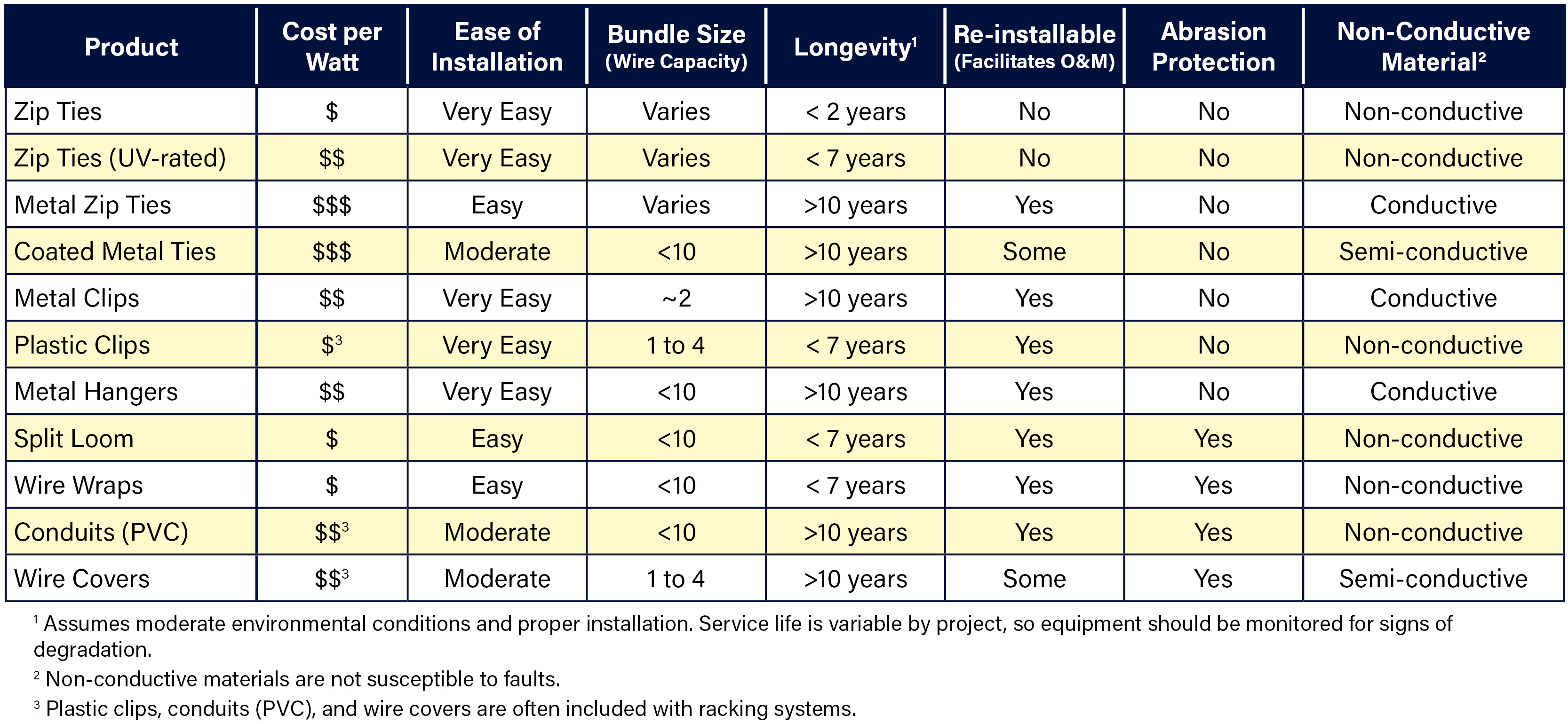
Effective wire management requires specialized supports and equipment for organization and protection. Product selection usually hinges on three factors: ease of installation, cost, and lifespan. Review pros and cons of common products below.
Pros and Cons of Common Equipment
Plastic Zip Ties
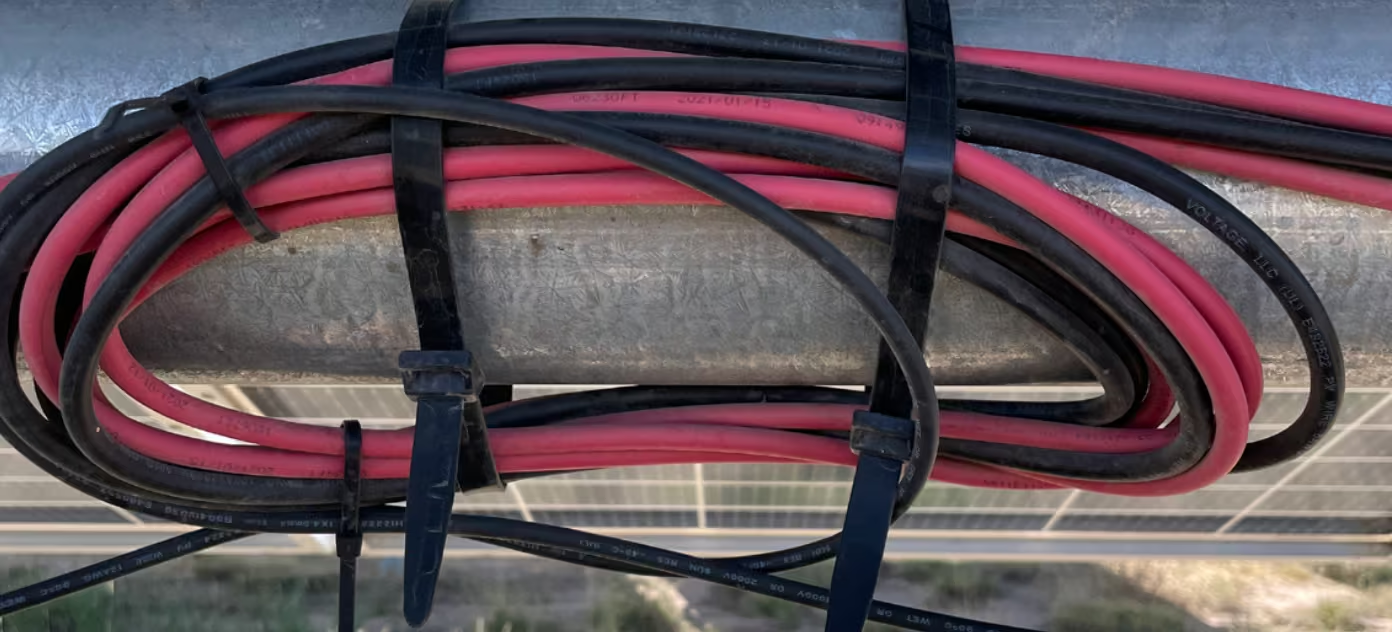
Pros: Widely available, low-cost, easy to install, flexibly accommodates different bundle sizes
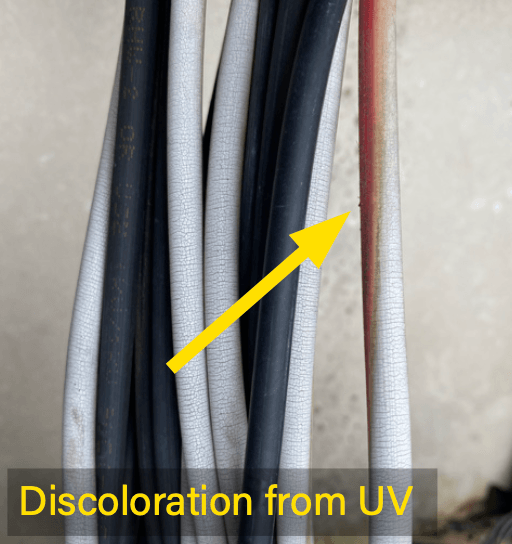
Cons: Vulnerable to UV degradation, even when rated UV resistant, replacement required as frequently as every six months
When to Use: As a supplemental measure, but not as a primary support
Metal Zip Ties
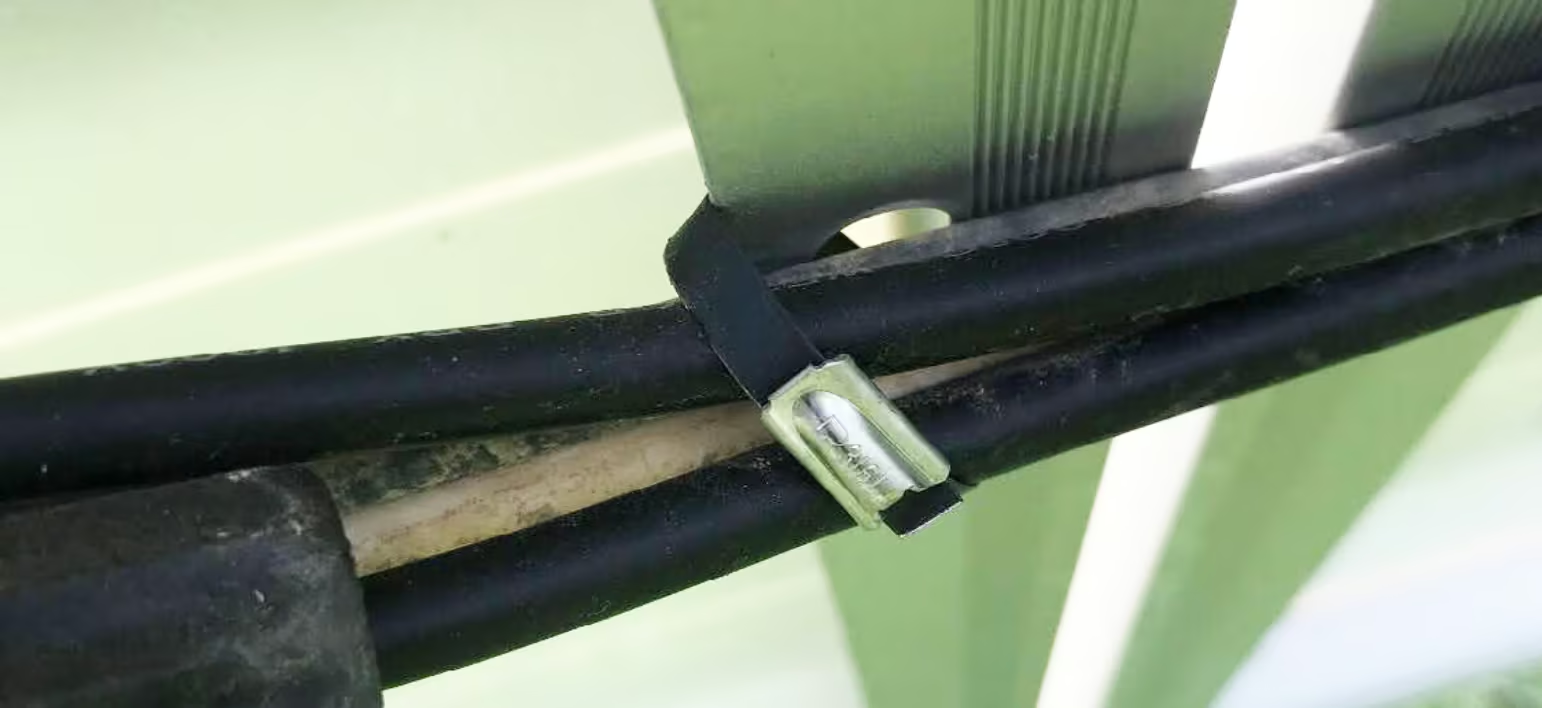
Pros: Long lifespan
Cons: Contain sharp, abrasive edges that should not contact wires
When to Use: For securing protective materials around conductors, but only in conjunction with other protective materials to avoid abrasion
Plastic Clips
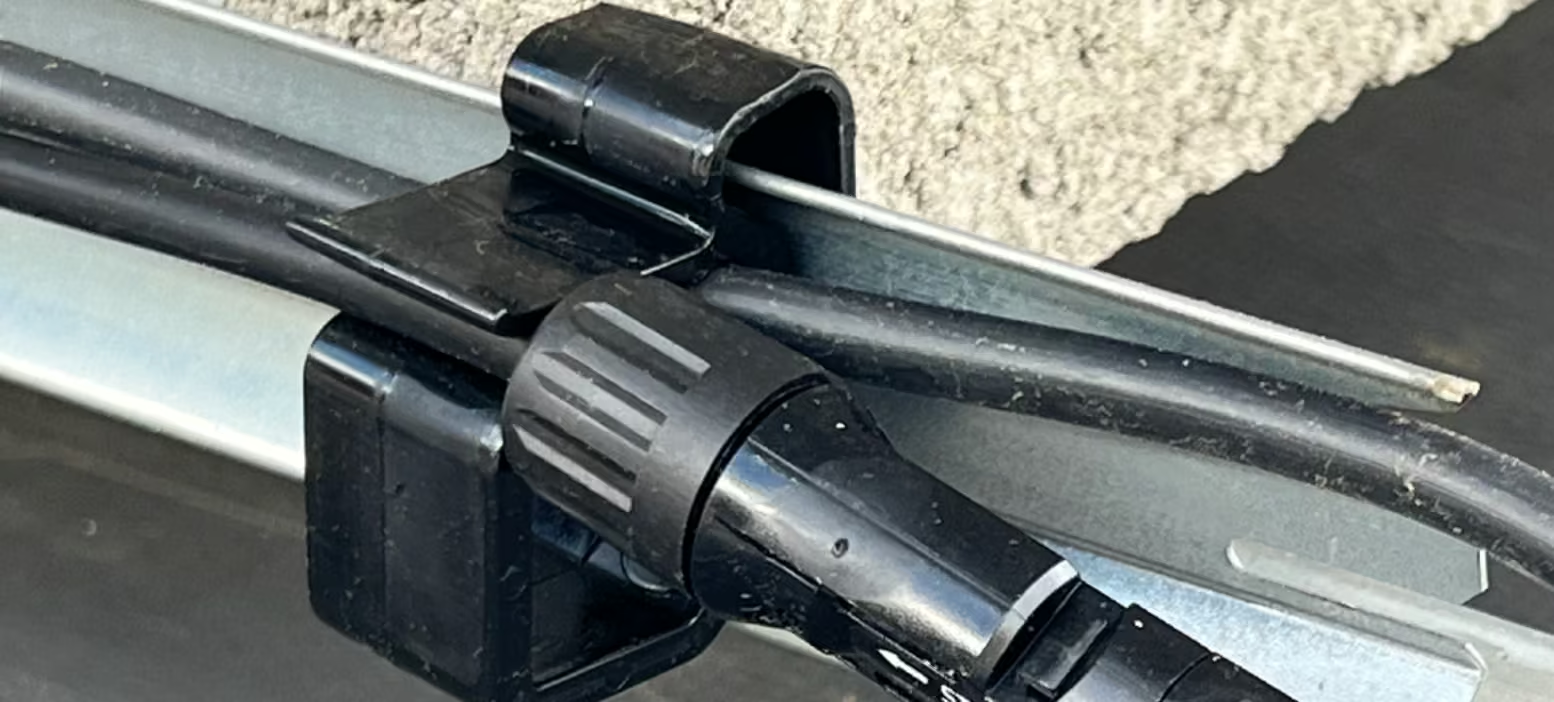
Pros: Low-cost, easy to install, reusable
Cons: Typically racking-specific, may degrade over time
When to Use: When routing 1-2 wires away from racking
Metal Clips
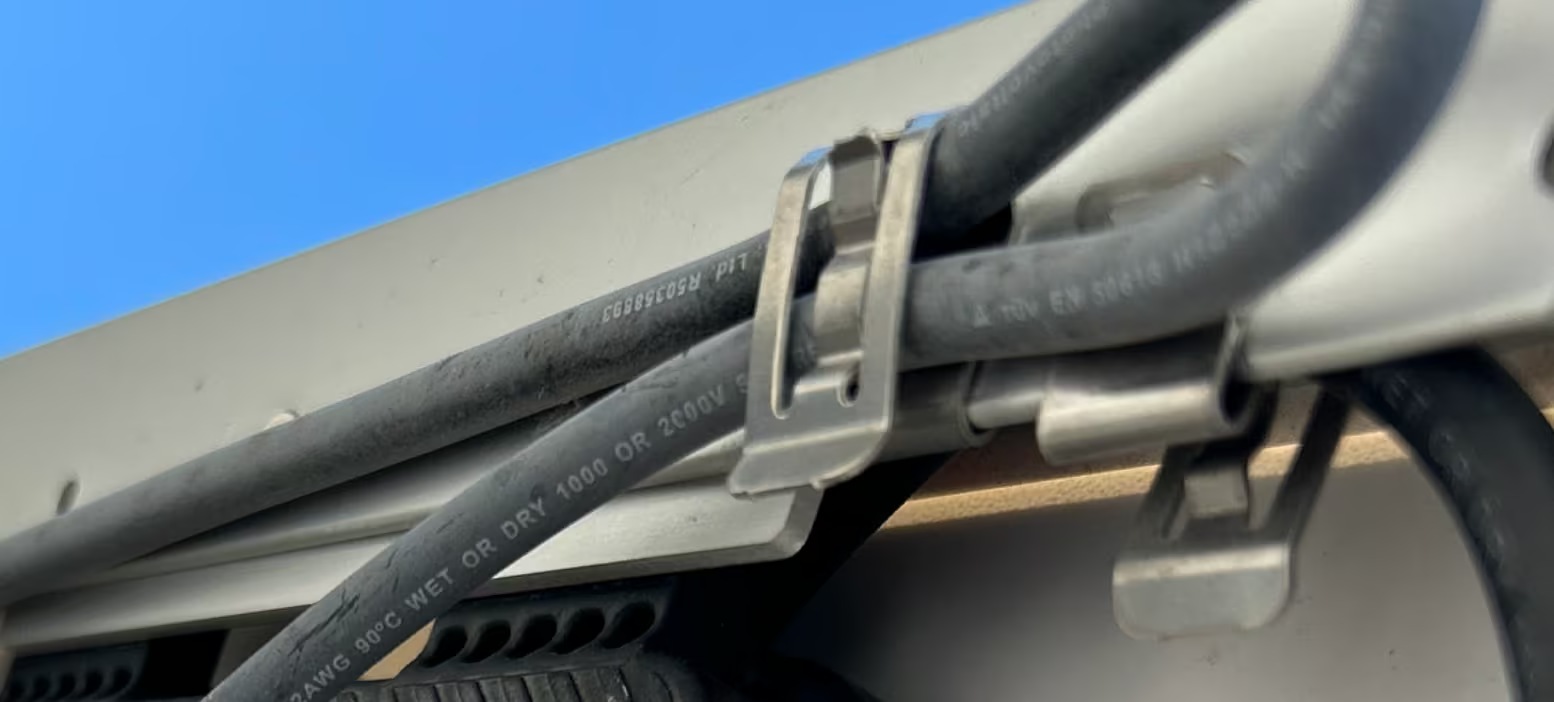
Pros: Highly durable, low-cost, easy to install
Cons: Easily pulled off if wires are routed around bend; sharp edge when routed with perpendicular tension
When to Use: Straight or low-tension runs of 1-2 conductors
Coated Metal Ties
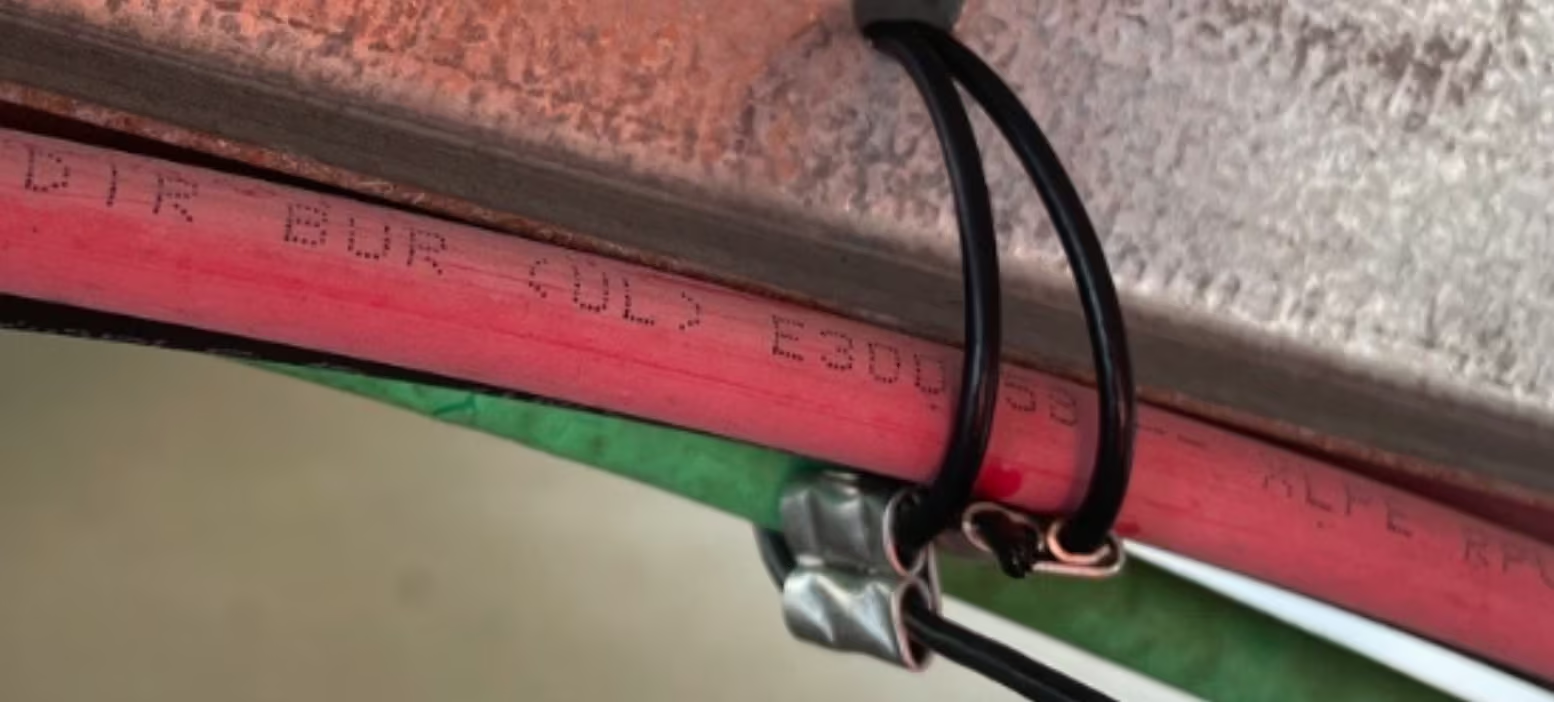
Pros: Easy to install, highly durable, flexibility accommodates different bundle sizes
Cons: Higher upfront cost vs. zip ties; sharp edges
When to Use: To support 2 or more string conductors
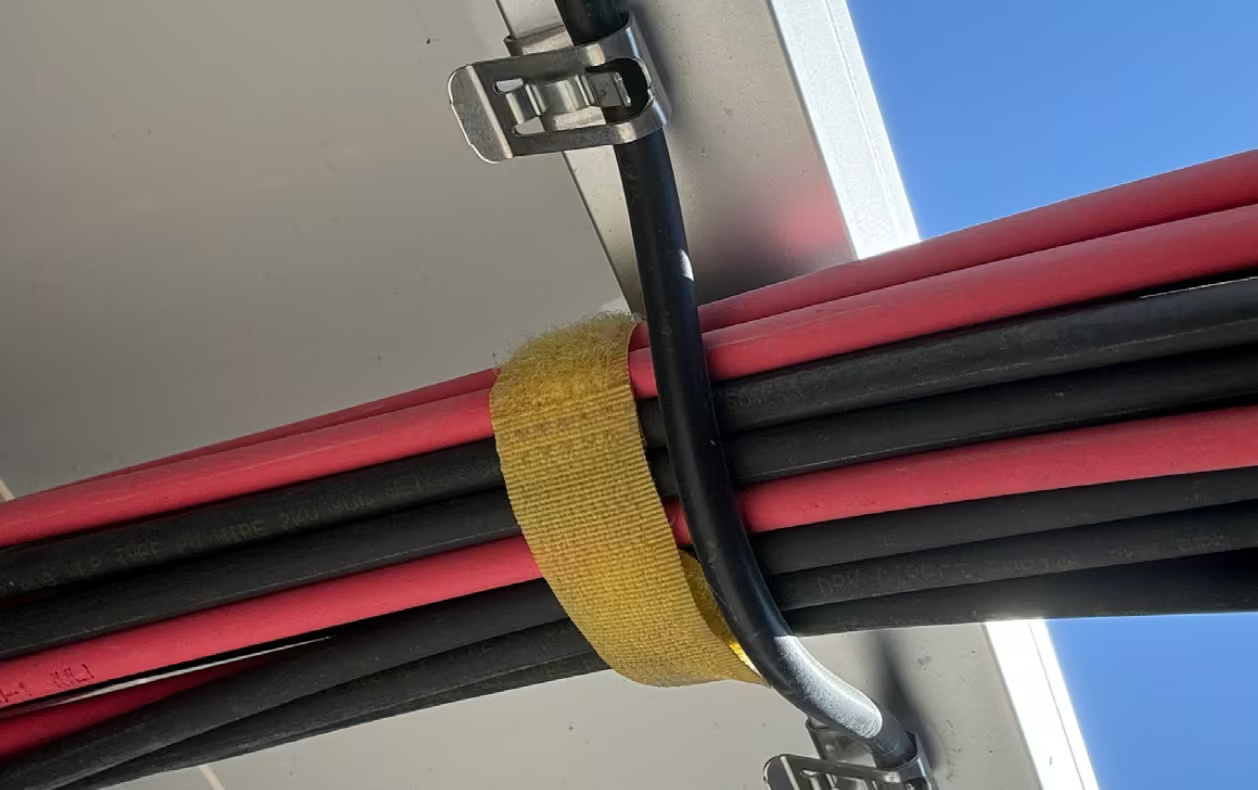
Hangers
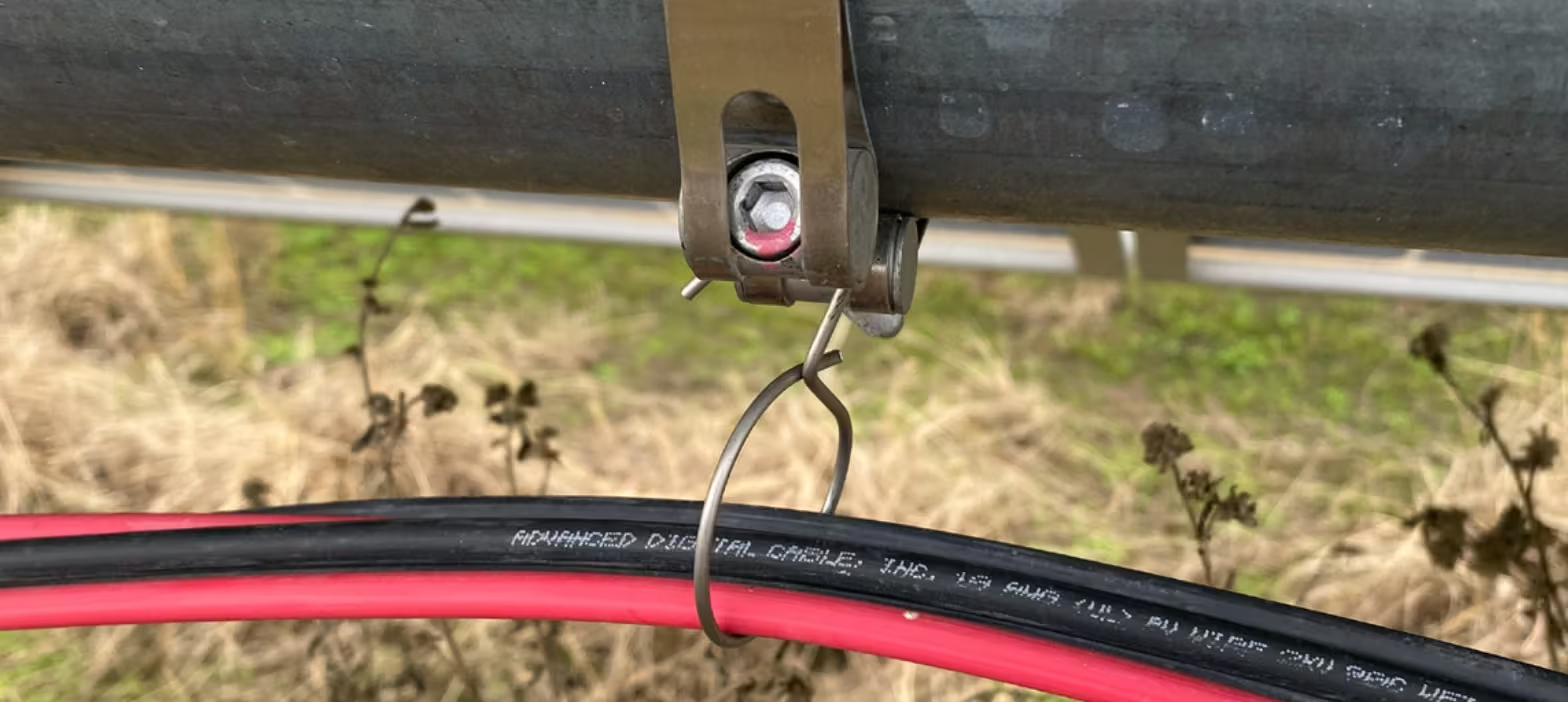
Pros: Accommodates larger bundles, minimal sharp edges if vinyl-coated, racking-independent
Cons: Failure-prone if overloaded/improperly spaced
When to Use: To support 2 or more string conductors
Conduit
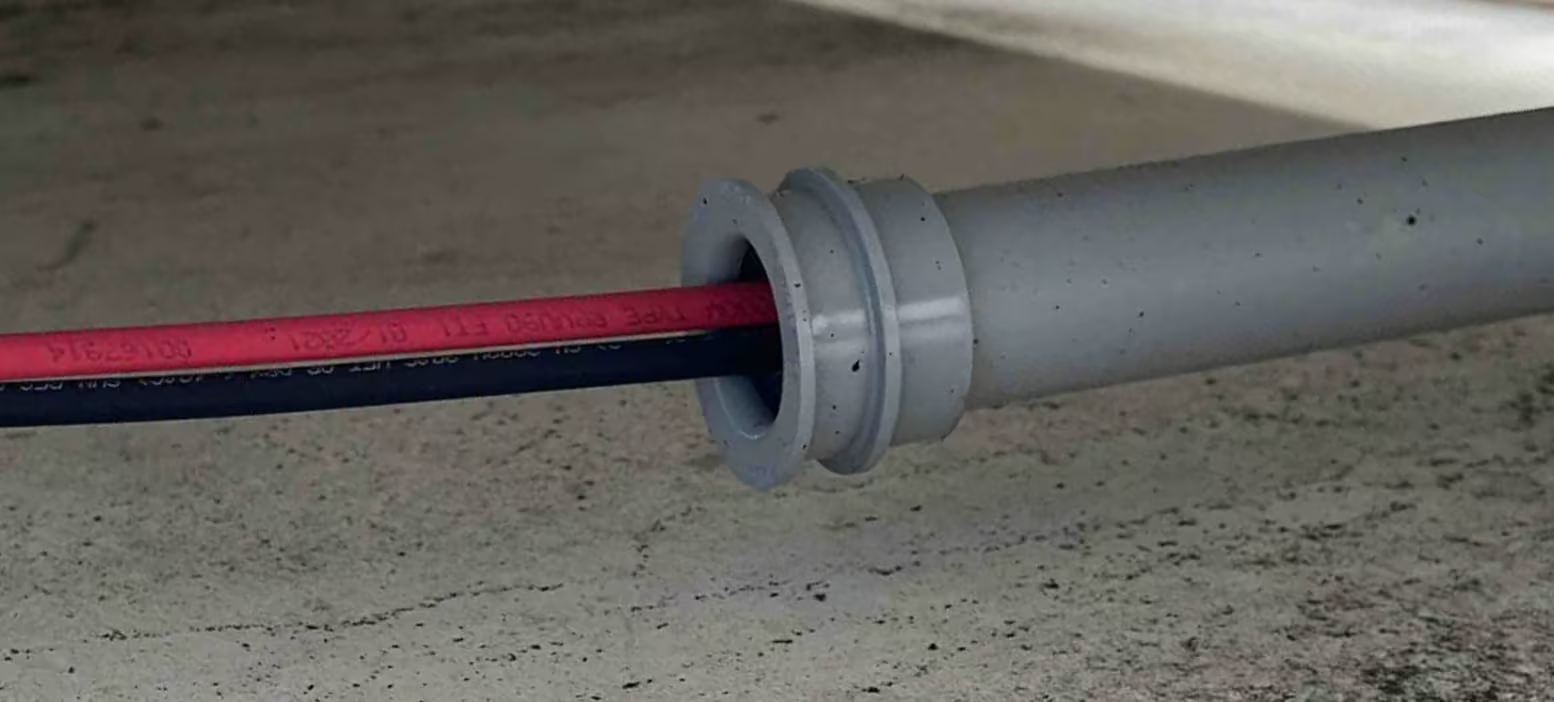
Pros: Offers high degree of environmental protection
Cons: Wires must be repulled for maintenance
When to Use: Short, straight runs between rows
Wire Covers
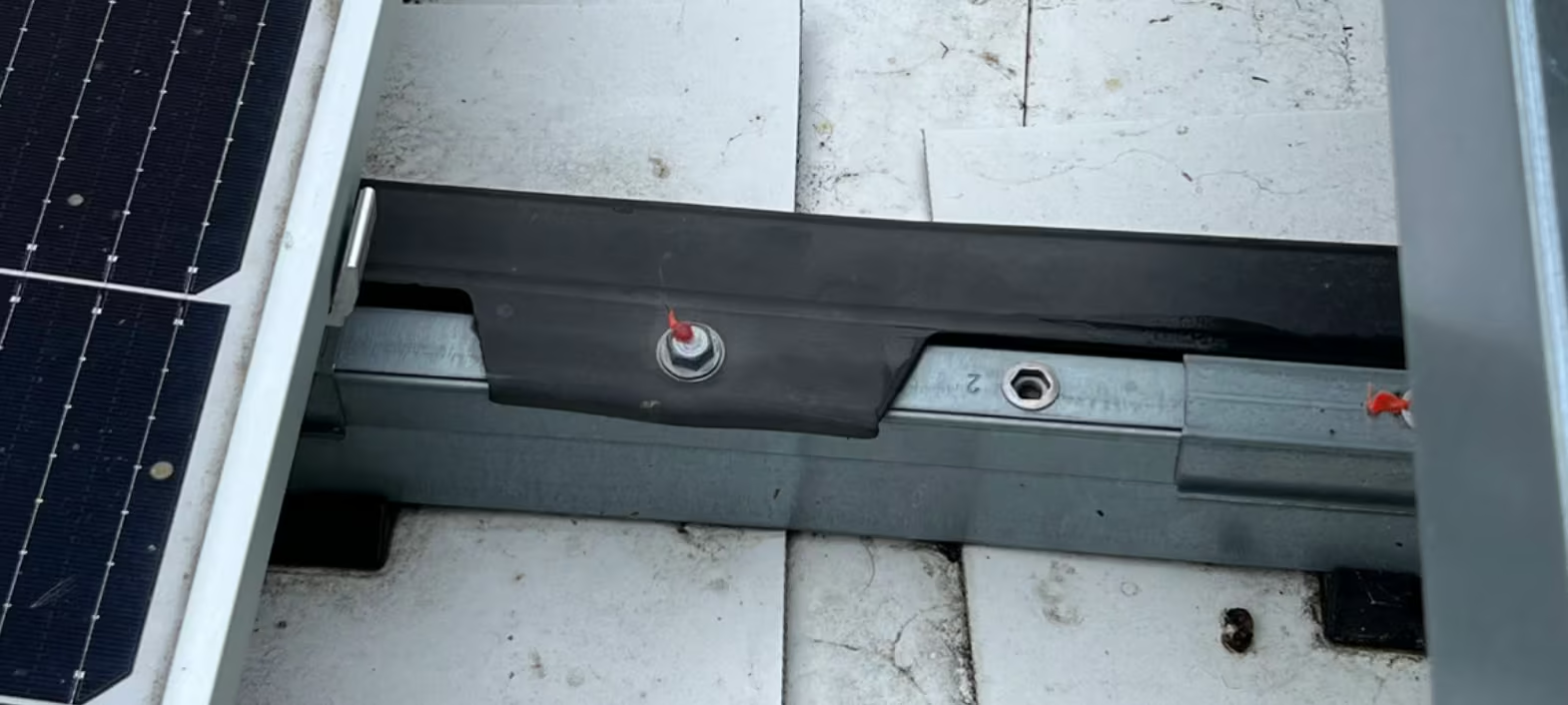
Pros: Clean, often racking-specific or racking- integrated, provides high degree of protection
Cons: Difficult to service
When to Use: Racking-specific inter-row transitions
Split Loom
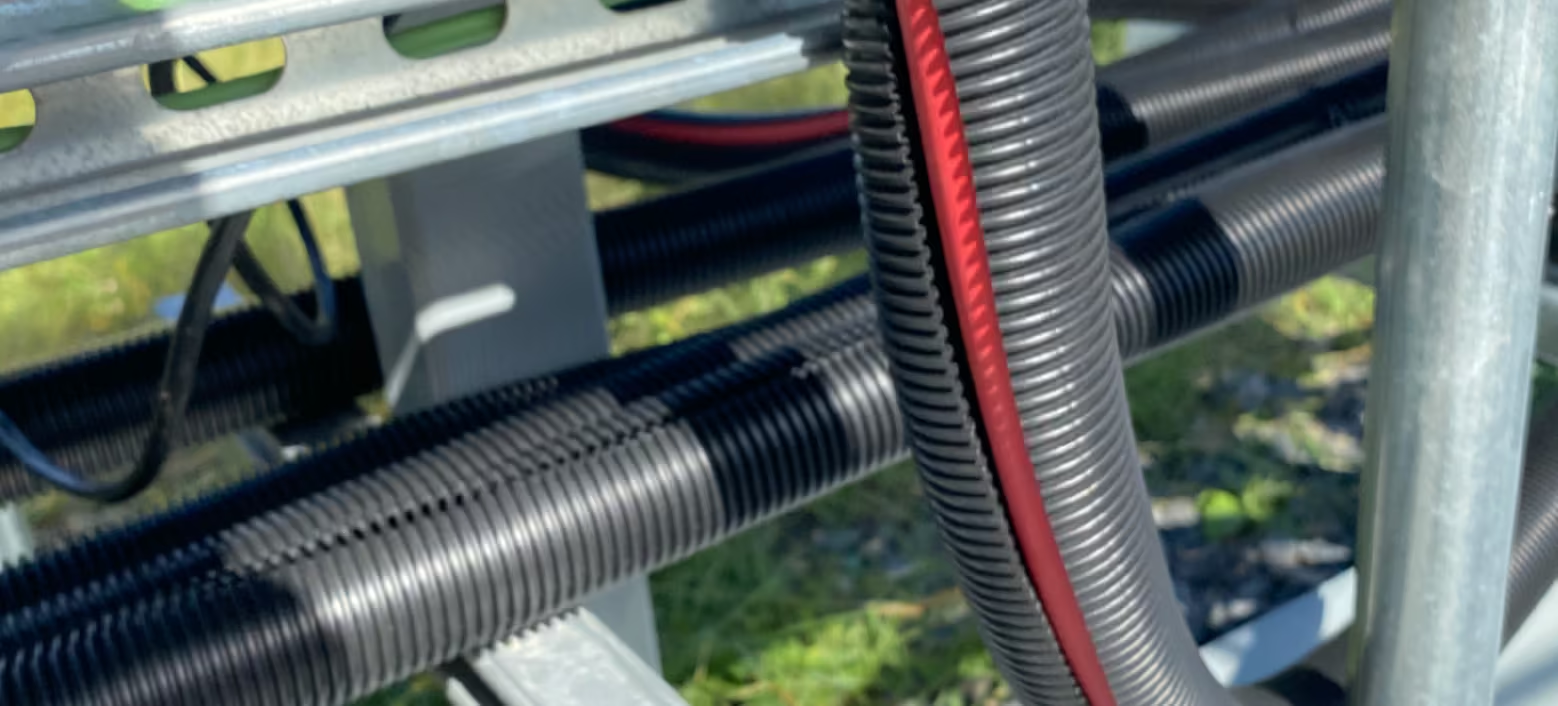
Pros: Low-cost, provides mechanical and UV protection
Cons: Requires additional supports, less durable, minimal thermal insulation
When to Use: Protection from light and sharp edges
Wire Wraps
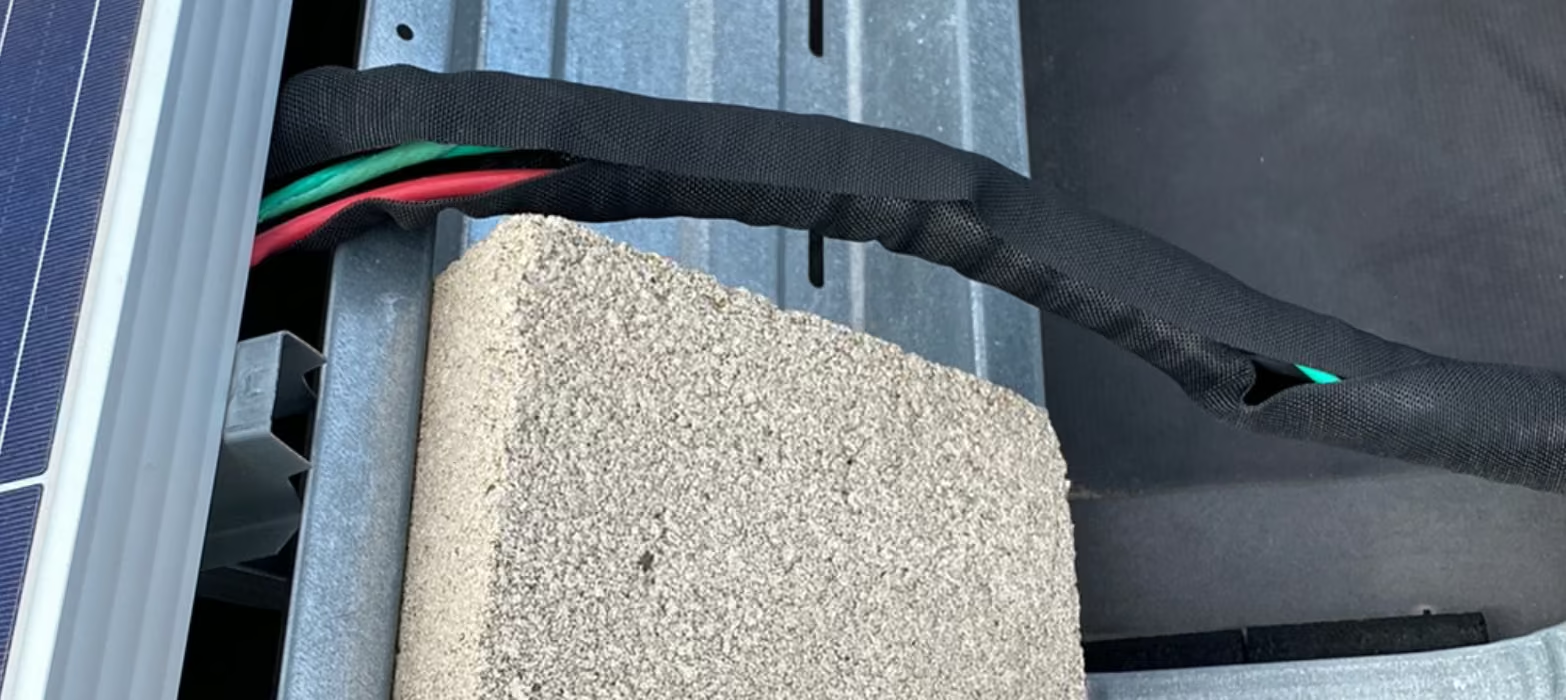
Pros: Easy to service, flexible, low-cost, provides mechanical and UV protection
Cons: Offers less protection vs. conduit
When to Use: Protection in space-constrained areas that cannot accommodate rigid materials like conduit
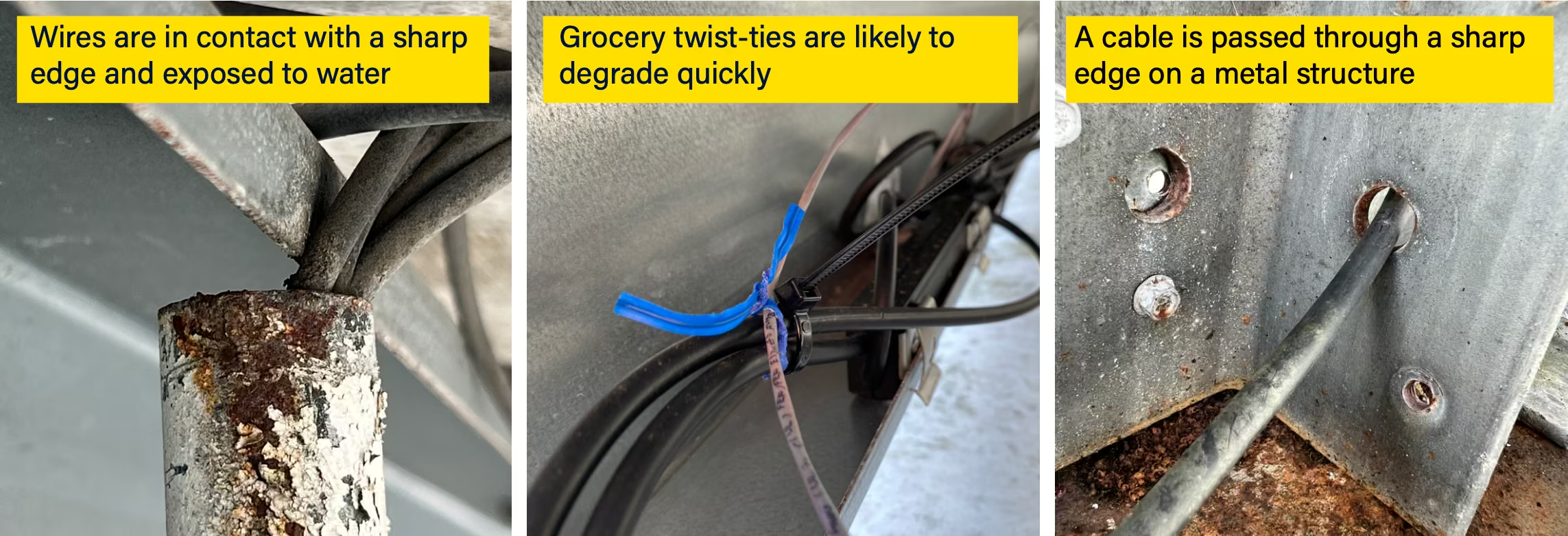
What not to do
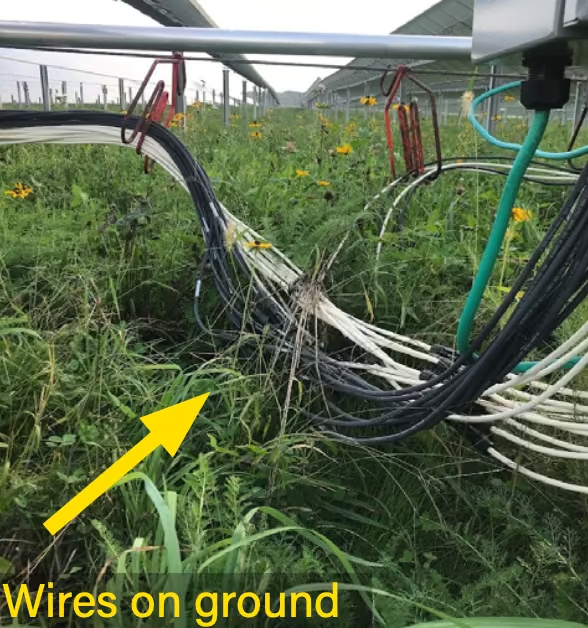
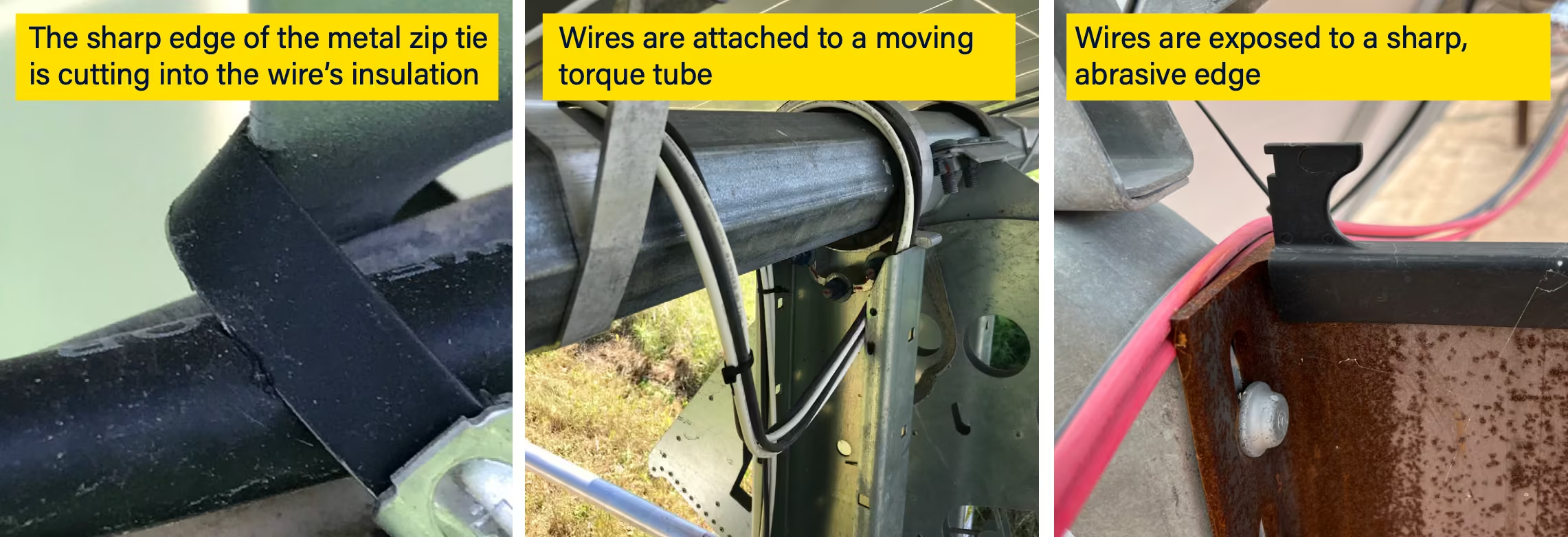
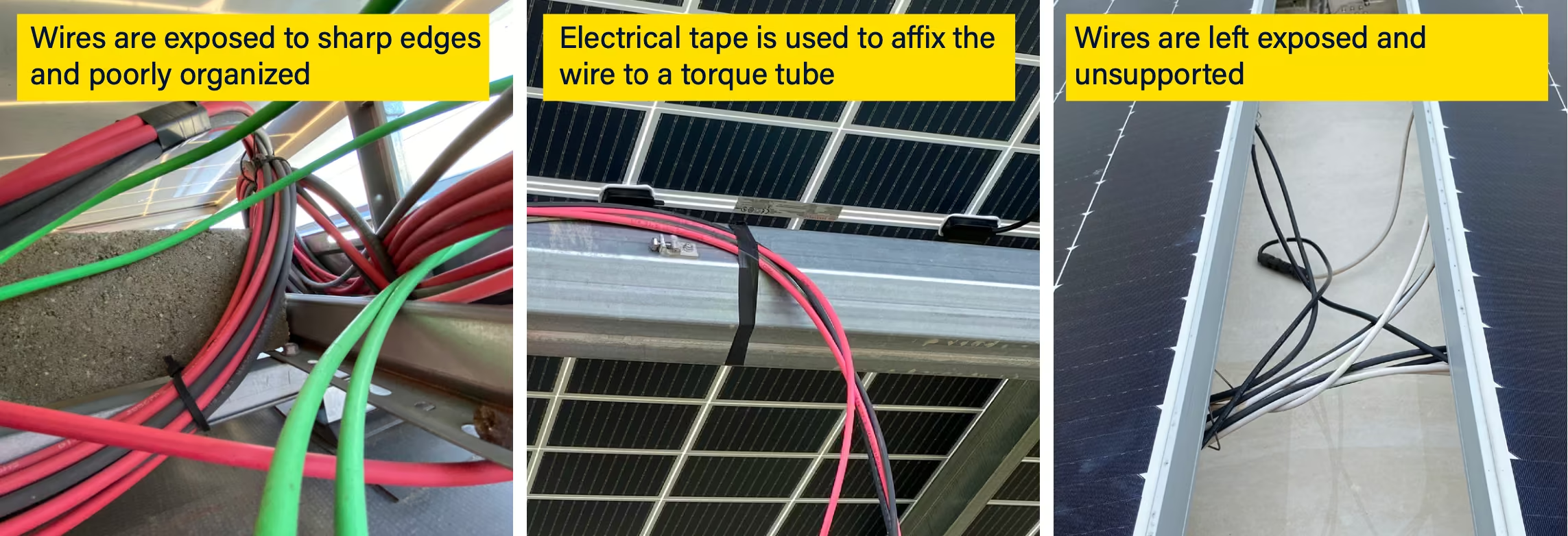
The cable management hall of shame shown below is provided to highlight the worst examples of wire management observed by HelioVolta. These flawed wire management approaches should be avoided.
Product Comparison Matrix
SITE CHECKLIST
- Protect wires and cables from UV light and moisture using appropriate products.
- Follow minimum bend radius to protect conductors from damage. The bend radius of a soda can is typically a good reference point.
- Restrict homerun bundles to wires from a single inverter.
- Do not rest wires and cables on the roof or ground.
- Install adequate supports to prevent wiring from falling down over time.
- Maintain sufficient slack and supports to accommodate for wind and seismic movements and thermal expansion.
- Do not allow wires to contact abrasive surfaces or sharp edges.
- Monitor and replace products that are susceptible to degradation when necessary.
- Follow all NEC requirements for labeling, routing, and protecting wires.
Remember PRESS BUTTON when managing wires: Protection – Radius – Edges – Slack – Support – Bundle Size
CONCLUSION
Choosing the proper wire management solution and implementing best practices is integral to the overall success, safety, and efficiency of a solar installation. To ensure the long-term reliability and performance of solar assets, project stakeholders should:
- Specify wire management equipment during system design – not only wires.
- Avoid use of degradation-prone wire management equipment, especially zip ties that are not UV resistant.
- Regularly inspect wiring to ensure it remains properly secured and labeled.
- Either use durable metal products and ensure technicians are adequately trained to avoid sharp edges, or build frequent inspections and equipment replacements into O&M budgets.
- Train installation teams to minimize environmental exposure and mechanical stress on wiring.
- Implement consistent wire management protocols from site-to-site wherever possible.